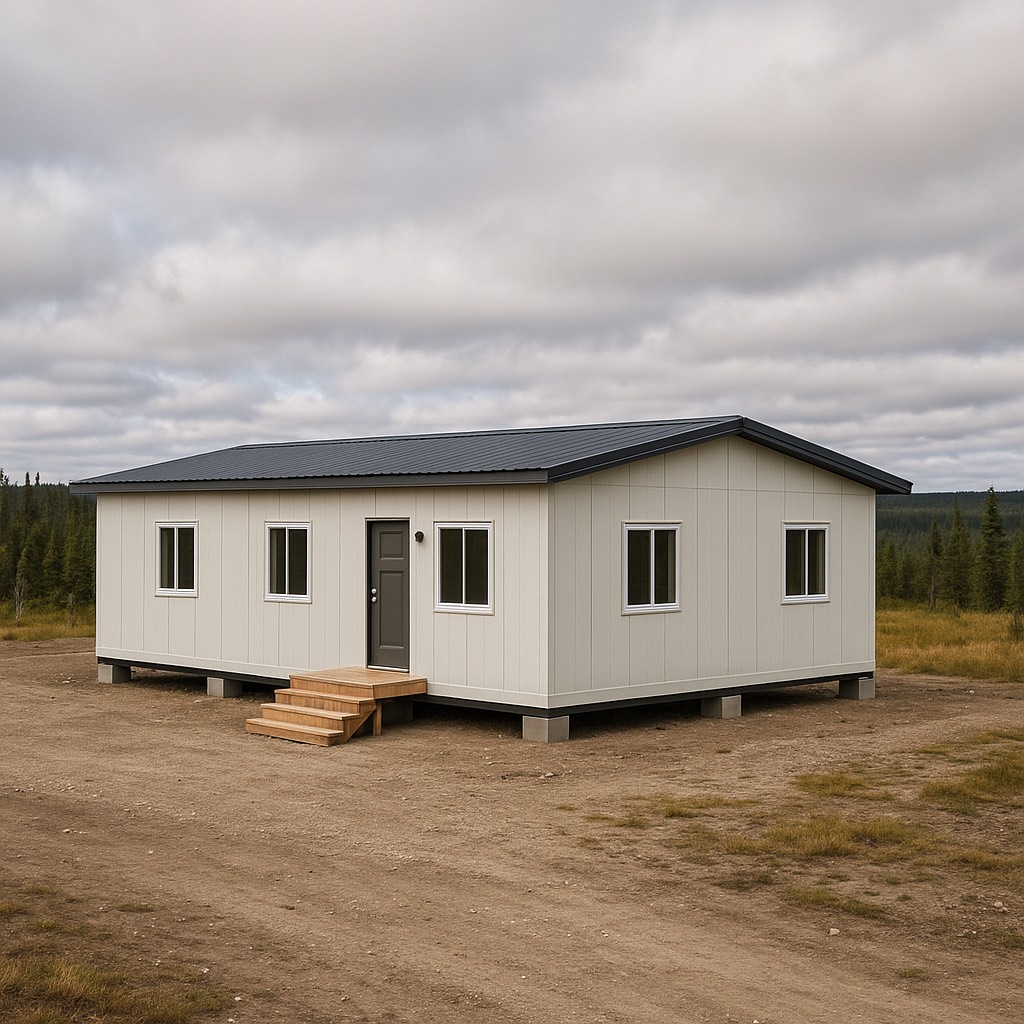
Our off-grid modular homes are designed by and for Indigenous communities, blending modern technology with traditional values of sustainability, respect, and self-reliance. Each unit is built from high-efficiency refrigerated panels that provide exceptional insulation against Northern climates—keeping families warm through the coldest winters while lowering energy costs year-round.
Why These Homes Matter
For generations, housing in First Nation communities has too often been imposed, inefficient, and unsuited to the realities of the land and climate. Our approach restores control, dignity, and self-determination to communities by providing homes that reflect cultural values, environmental stewardship, and local economic empowerment.
Key Benefits
Built for the North
- Insulated modular panels rated for –40 °C climates
- Solar-ready, off-grid capable systems for remote and non-serviced areas
-
Adaptable foundations for permafrost and seasonal ground shifts
Off-Grid Independence
- Solar + battery systems reduce reliance on diesel generators
- On-demand water and waste systems for remote living
-
Energy-efficient heating (wood stove + propane backup)
Community Empowerment
- Homes can be assembled locally, training and employing community members
- Promotes economic sovereignty through local labour, partnerships, and procurement
- Culturally guided design that integrates space for ceremony, family, and gathering
Sustainable and Affordable
- Reduced shipping and maintenance costs due to modular design
- Built with recyclable, durable materials to last generations
- Eligible for Indigenous infrastructure funding and green housing grants
Culturally Grounded Design
Every home is oriented and designed with respect for traditional teachings — facing the sunrise, incorporating natural light, and offering spaces for both family connection and reflection. The design acknowledges that the land is our first teacher, and our homes honour that relationship.
Our Promise
We’re not just building houses — we’re building capacity, resilience, and future generations of skilled Indigenous workers who can construct, maintain, and manage their own housing systems.
Each home represents a step toward housing sovereignty, environmental balance, and long-term community well-being.
Call to Action
Let’s work together to bring sustainable, culturally aligned housing to your Nation.
We can customize these modular homes for your community’s needs, terrain, and cultural design preferences — and help secure funding through Indigenous housing and green-energy programs.
Together, we build not just homes — but a legacy of self-reliance, healing, and future prosperity.
🏡 Model Options
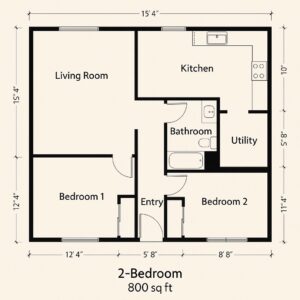
2-Bedroom Model (800 sq ft) — Compact & Efficient
Perfect for single occupants, Elders, or small families.
- Open living and kitchen area with large windows facing east
- Two bedrooms with shared bathroom
- Optional solar-powered heating and water system
-
Fast assembly and minimal site impact
3-Bedroom Model (1,200 sq ft) — Family Standard
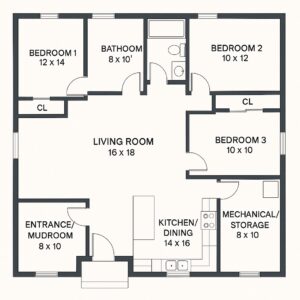
Our mid-sized model (featured above) offers balance and comfort.
- Three bedrooms, one bath, open-concept living and dining area
- Wood-stove heating, solar readiness, and reinforced insulation
-
Mudroom and mechanical room for off-grid systems
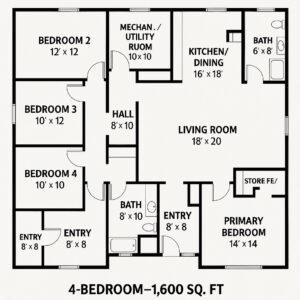
4-Bedroom Model (1,600 sq ft) — Extended Family Home
Built for multi-generation living and community strength.
- Four bedrooms, two bathrooms, large family space
- Expanded kitchen and dining area for gatherings
- Energy-independent design with solar, battery, and rainwater systems
- Cultural design options (smudging space, ceremonial corner, or outdoor fire area)
Floor Plan Overview
2-Bedroom Model – 800 sq. ft. Layout Description:
This compact yet functional 800 sq. ft. modular home is ideal for Elders, couples, or small families. Built from refrigerated insulated panels, it provides exceptional thermal efficiency and durability, ensuring comfort during harsh winters while maintaining low energy demands.
Floor Plan Layout
Entryway (5’8” x 5’8”)
A sheltered front entrance opens into a compact mudroom-style entry, perfect for removing boots and outerwear before entering the main living space. The area can include coat hooks, storage benches, or a small closet.
Living Room (15’4” x 15’4”)
An open and welcoming space positioned at the front of the home. Large triple-pane windows allow natural light and passive solar warmth. The room comfortably fits a sofa set, entertainment area, and small dining table. A wood stove or propane heater can be centrally placed for efficient heating.
Kitchen (15’4” x 10’)
Connected directly to the living room, the kitchen features an L-shaped layout with space for modern appliances, a double sink, and upper/lower cabinetry. The layout encourages flow between cooking, dining, and living areas — ideal for family gatherings.
Bedroom 1 (12’4” x 12’4”)
The primary bedroom is located off the living room, offering privacy and quiet. Space for a queen bed, wardrobe, or dresser, with a window for natural light and ventilation.
Bedroom 2 (11’4” x 8’8”)
A smaller secondary bedroom suitable for a child, guest, or as an office space. Can comfortably fit a single or double bed with storage or desk space.
Bathroom (8’ x 5’8”)
A fully equipped bathroom includes a tub/shower combo, toilet, and vanity sink. Plumbing is designed to work with off-grid or on-grid systems, including on-demand propane water heaters and greywater systems.
Utility Room (8’ x 5’8”)
Adjacent to the kitchen and bathroom, this space houses the solar inverter, battery bank, water filtration, and pump system. It may also store laundry equipment or additional shelving.
Design Feature
Energy Source: Solar-ready roof design, wood or propane heating, and energy-efficient LED lighting.
– Insulation: 4–6” refrigerated panel walls (R-32 to R-40), R-50 roof, and R-30 insulated floor system.
– Foundation: Adjustable pier or screw pile system, suitable for permafrost and uneven terrain.
– Exterior: Durable metal-clad panels with optional traditional Indigenous patterns or artwork.
– Orientation: East-facing windows for morning sun, aligning with traditional teachings.
Ideal Use
– Elder or youth housing.
– Transitional or staff units in remote communities
– Family or couple housing
– Emergency or seasonal housing for remote areas
3 bedroom home (Approx. 1,200 sq. ft.)
Style: Single-story modular home
Dimensions: Approx. 30 ft x 40 ft
Layout: 3-bedroom, 1-bath, open-concept living area, kitchen, and utility/mudroom
Floor Plan Breakdown
1. Entrance / Mudroom (8’ x 10’)
- Heated entry for boots and coats
- Utility access (battery bank, inverter, water heater)
2. Living Room (16’ x 18’)
- Central gathering area with wood stove
- Open to kitchen and dining area
3. Kitchen & Dining (14’ x 16’)
- Full kitchen with propane or electric appliances
- Space for dining table near window
4. Bathroom (8’ x 10’)
- Composting or low-flow toilet
- Shower/tub combo
- Propane on-demand water heater
5. Bedroom 1 (12’ x 14’) – Primary bedroom with closet
6. Bedroom 2 (10’ x 12’) – Suitable for two beds or guest use
7. Bedroom 3 (10’ x 10’) – Flexible space (bedroom, office, or storage)
8. Mechanical/Storage Room (8’ x 10’)
-
Solar inverter system, battery storage, water filtration, and pump
4-Bedroom Model – 1,600 sq. ft. Layout Description:
This 4-bedroom, 1,600 sq. ft. modular home is designed for extended family living, offering ample space, comfort, and energy independence. Built from refrigerated insulated panels and designed for the Northern climate, it combines modern off-grid systems with cultural and practical considerations — creating a home that is strong, warm, and rooted in community.
Floor Plan Layout
Entryway / Mudroom (8’ x 10’)
A spacious entrance area allows for coats, boots, and outdoor gear — ideal for northern living. It also connects directly to the mechanical/utility room, providing convenient access for maintenance and system checks without tracking dirt into the home.
Living Room (18’ x 20’)
A central gathering space designed for family connection. This open-concept living area features large windows for natural light, and a wood stove or propane heater as the primary heat source. The open layout flows seamlessly into the dining and kitchen spaces — encouraging togetherness and ceremony.
Kitchen & Dining Area (16’ x 18’)
The kitchen offers a full-sized L-shaped or U-shaped counter layout with modern appliances, large storage capacity, and optional island seating. The adjacent dining area comfortably seats 6–8 people, creating a central hub for meals, teachings, and gatherings.
- Solar-compatible appliances or propane-ready options
- Access to exterior door or deck (optional extension)
Primary Bedroom (14’ x 14’)
The main bedroom includes a walk-in or double closet and enough room for a king or queen bed, nightstands, and dresser. Positioned for privacy, often at one end of the home.
Bedroom 2 (12’ x 12’)
A large secondary bedroom suitable for older children, grandparents, or guests.
Bedroom 3 (10’ x 12’)
Flexible space ideal for youth, children, or as an office/study.
Bedroom 4 (10’ x 10’)
Compact but efficient, this room can serve as a nursery, spare room, or cultural workspace (e.g., sewing, beading, or regalia preparation).
Bathroom 1 (8’ x 10’)
Main family bathroom featuring tub/shower combo, toilet, and full vanity. Plumbing designed for water-saving fixtures and greywater systems.
Bathroom 2 (6’ x 8’)
Optional half or full second bathroom near bedrooms 3 and 4, offering flexibility for large families.
Mechanical / Utility Room (8’ x 10’)
Dedicated off-grid systems area with:
- Solar inverter and battery bank
- Water filtration and pressure pump
- On-demand propane water heater
- Optional laundry area and shelving for tools/supplies
Design Features
- Insulation: R-40+ refrigerated panels (walls), R-50 roof, and R-30 insulated floor.
- Foundation: Adjustable piers or screw piles for frost protection and easy leveling.
- Energy Systems: Solar + battery array with generator backup, wood or propane heating, LED lighting.
- Water Systems: 1,000-gallon cistern or rainwater collection with filtration.
- Exterior Options: Metal or composite cladding with optional Indigenous art, colours, or designs.
- Orientation: East-facing main windows to honour the sunrise and balance of life.
Cultural & Community Integration
- Space allocation for ceremonial use or smudging area within the living room or outside porch.
- Design allows for multi-generational living, keeping families close while offering private bedrooms.
- Layout supports both modern lifestyles and traditional values — communal, adaptable, and respectful of the land.
Ideal Use
- Multi-generational or large family housing
- Community housing projects (youth, family, or staff units)
- Transitional housing for remote areas
- Training or capacity-building projects (on-site community assembly)
🧱
Materials List
Structural Components
- Wall Panels: 4”–6” thick refrigeration-grade insulated metal panels (R-32 to R-40 insulation)
- Roof Panels: 6” insulated metal roofing panels (R-40 to R-50)
- Floor System: 2×10 pressure-treated joists with rigid foam insulation beneath (R-30)
- Foundation: Adjustable concrete piers or screw piles (frost-protected)
- Exterior Finish: Powder-coated steel or aluminum panels
- Interior Finish: Plywood sheathing with drywall or tongue-and-groove pine
Doors & Windows
- Triple-pane low-E vinyl windows
- Insulated steel entry door
- Optional sliding patio door
Utilities & Off-Grid Systems
- Heating: Wood stove + backup propane heater
- Power: 6 kW solar array, 10–15 kWh lithium battery bank, inverter system
- Water: 1,000-gallon cistern with on-demand pump and filtration
- Waste: Composting toilet or septic system (site dependent)
- Backup Power: 5–7 kW propane generator
Interior Features
- Kitchen cabinetry (birch or plywood)
- Butcher block or laminate counters
- Vinyl plank or engineered wood flooring
- LED lighting throughout
🌿
Cultural & Design Additions
- Exterior trim or artwork inspired by local Indigenous patterns
- Space for a small ceremonial fire pit or teaching circle outdoors
- Orientation of home to the east (sunrise) in alignment with traditional teachings